

Posted by Lee Alderman on 23rd Feb 2026
Why Property Managers Rekey Between Tenants
I can't imagine a more uncomfortable situation than this: A new tenant moves into your property on Saturday. By Sunday morning, someone walks in with a key.
The previous tenant. Or their babysitter. Or the neighbor who used to house-sit.
This isn't a hypothetical. It happens when property managers skip rekeying between tenants. And the liability doesn't stop at embarrassment—it extends to negligence claims that can cost thousands in legal settlements.
Rekeying isn't optional. It's a non-negotiable security protocol that separates professional property management from operations cutting corners.
The Security Gap You Can't See
When a tenant returns their keys, you have zero guarantee that copies weren't made.
Think about who had access during that tenancy:
- The tenant's partner or roommate
- A neighbor who house-sat
- A contractor who did repairs
- A babysitter who watched kids after school
- A friend who watered plants during vacation
Every one of those people could have made a copy. You'll never know.
The professional solution: Rekey the property between every tenant. Period.
This ensures the new tenant—and only the new tenant—has access to their unit. Property managers keep one master key for emergencies. Everyone else is locked out.

The Legal Exposure Property Managers Face
The majority of property management lawsuits are based on negligence claims. When you fail to rekey and a security breach occurs, you're exposed.
In Texas, the law doesn't leave room for interpretation. The Property Code mandates that locks must be rekeyed within seven days of tenant turnover. This isn't a suggestion—it's a legal requirement with a strict timeline.
Other jurisdictions may not codify the requirement, but the liability standard remains consistent: property managers must provide a safe and secure living environment.
Broken gates, poor lighting, missing security cameras—these failures contribute to premises liability claims. Skipping rekeying falls into the same category of negligence.
When someone enters a property with an old key and something happens, the property manager is liable. The cost of that failure far exceeds the minimal expense of rekeying.
The Cost Equation Is Clear
Rekeying costs between $50 and $150 per unit.
Legal settlements for negligence claims? Thousands to tens of thousands of dollars.
The math isn't complicated. The upfront cost is minimal compared to the potential losses from theft, vandalism, or legal consequences.
I've worked with property managers who resist this expense. They see it as an unnecessary line item during turnover. But when you compare $100 for rekeying against a $20,000 settlement, the decision becomes obvious.
Professional property managers don't debate this. They build rekeying into their turnover procedures automatically—just like smoke detector maintenance and inspection checklists.

Master Key Systems: The Professional Standard
If you manage multiple units, individual keys create chaos.
Master key systems solve this. With a master key system, you rekey only the affected lock cylinder when a tenant moves out. The rest of your building's security architecture stays intact.
This is far more efficient and affordable than managing dozens of individual keys across units.
Here's the critical mistake I see: Property managers call different locksmiths for different units. One locksmith uses certain pin configurations. Another uses different cuts. Now your locks aren't compatible, and building a master key system later becomes nearly impossible.
Always work with one trusted locksmith who maintains consistency across all your units.
That locksmith can implement one of two approaches:
Option 1: Start Fresh
Rekey the entire building immediately. This creates a clean slate—all units become unique, and any lost or stolen master keys become useless. About 30-50% of property managers choose this approach when they realize their current system has vulnerabilities.
Option 2: Phased Implementation
Build the master key system gradually as tenants move in and out. Your locksmith creates the master key system upfront and keeps it on file. As each unit turns over, you add it to the system. This spreads costs over time while systematically improving security.
Both approaches work. The key is having a single security professional who understands your building and maintains documentation.
Why Electronic Locks Haven't Replaced Traditional Rekeying
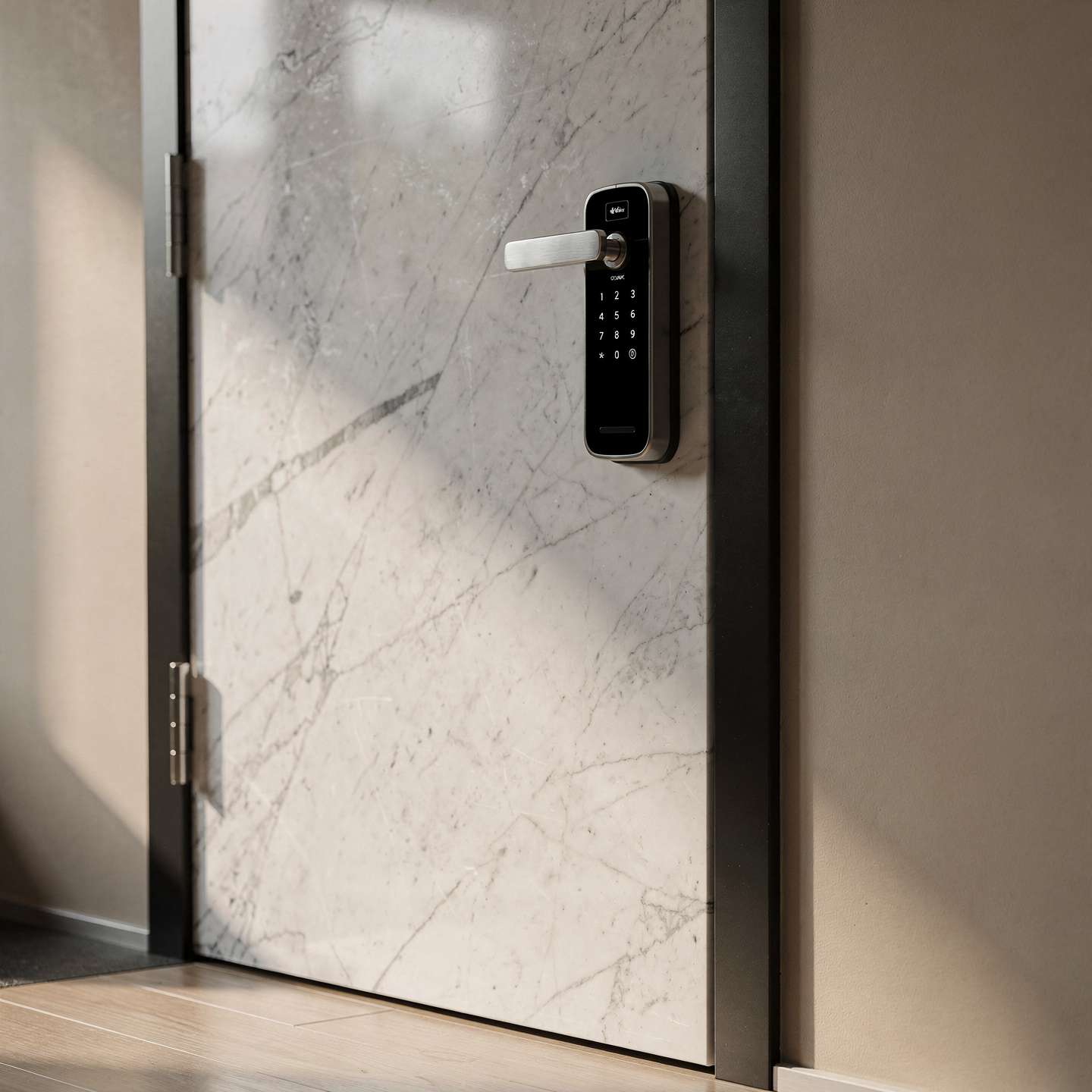
Smart locks eliminate the key-copy problem entirely. When a tenant moves out, their access code stops working. When a new tenant moves in, you issue a new six-digit PIN.
It's simple in theory.
But in multi-tenant buildings, the upfront investment for electronic locks across dozens of units is significant. Most property managers stick with traditional keys and master key systems because the cost-to-benefit ratio makes more sense.
Electronic locks work well for single-family rentals or small buildings. For larger properties, traditional rekeying with proper master key systems remains the industry standard.
The Enforcement Playbook
Professional property managers don't treat rekeying as optional. They build it into their operational playbook with clear documentation and accountability.
Here's what that looks like:
Create a simple spreadsheet that tracks:
- Unit number
- Tenant name
- Number of keys issued
- Key identification numbers (from your master key system)
- Date of last rekey
This gives you inventory control. When a security incident occurs, you have documentation proving which keys were assigned to which units and when locks were last changed.
You can't control whether tenants make unauthorized copies. But you can control your own protocols and prove you fulfilled your security obligations.
Always rekey when:
- A tenant moves out
- A key is lost or stolen
- An employee with building access is terminated
- You suspect unauthorized key duplication
These aren't suggestions. They're the baseline security protocols that protect you legally and operationally.
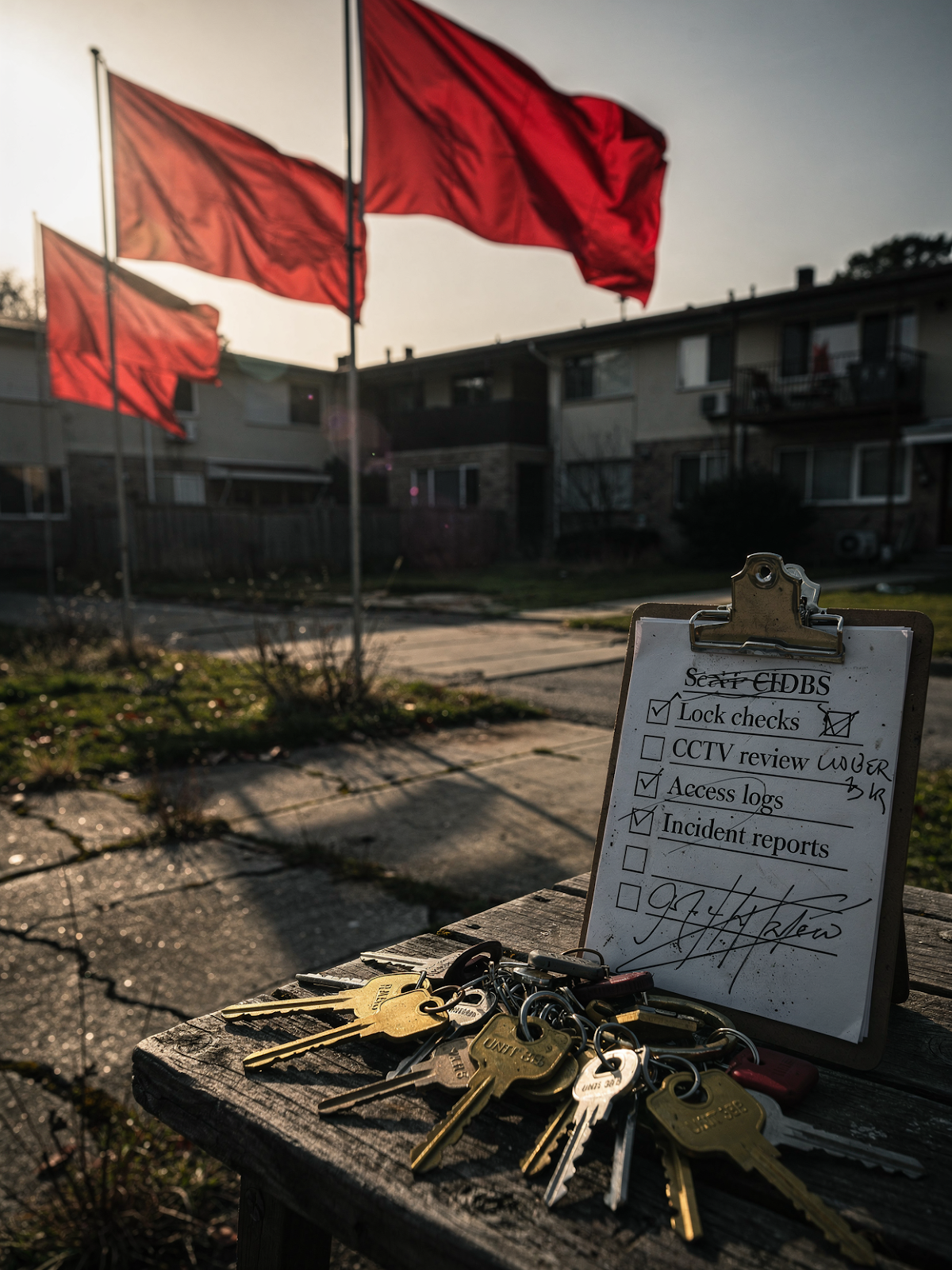
Red Flags That Indicate Corner-Cutting
You can spot property management operations that skip security protocols:
Multiple locksmiths working the same building. This creates incompatible lock systems and makes master key implementation impossible later.
No documentation of key issuance or rekeying dates. If you can't prove when locks were changed, you can't defend against negligence claims.
Tenants complaining about previous tenant access. If this happens even once, your rekeying protocol has failed.
Resistance to upfront security costs. Property managers who view rekeying as "unnecessary expense" are exposing themselves to far greater costs down the line.
In 2024, 82% of property managers noted increased costs of ownership, with 26% seeing costs rise by more than 20%. In this environment of rising operational pressure, cutting corners on security creates unacceptable risk.
The Bottom Line
Rekeying between tenants isn't about best practices or recommendations.
It's about liability protection, tenant safety, and professional standards.
The cost is minimal—$50 to $150 per unit. The alternative is legal exposure, tenant complaints, and the reputational damage that comes from security failures.
Work with one trusted security professional. Build a master key system. Document every key issued and every lock changed. Make rekeying automatic in your turnover procedures.
This isn't optional. It's the baseline standard for professional property management.
Managing tenant turnover?
Protect your property and your liability exposure by scheduling a professional rekeying service by Contacting Always Affordable Locksmiths Here.