
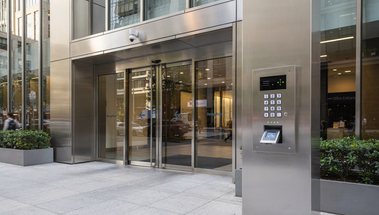
Posted by Lee Alderman on 20th Jan 2026
Why Commercial Units Are Abandoning Traditional Keys
I've watched commercial property managers make the same mistake for years.
They often view key control solely as a security concern, when in reality it is also an operational and revenue protection issue.
The shift to restricted key systems isn't about stopping break-ins. It's about stopping the silent bleed of rekeying costs, liability exposure, and accountability gaps that traditional lock-and-key systems create.

The Hidden Cost of Unlimited Key Duplication
Without key control, you don't know who's coming and going from your building.
An employee gets a key. They make an extra copy for their car. Another for their desk drawer. One more for their spouse in case they forget.
Suddenly, you have four keys in circulation when you authorized one.
Multiply that across a 50-person building and you've lost control of your entire access system. When that employee leaves, you're rekeying dozens of doors because you can't account for every duplicate they made.
Unauthorized key duplication remains one of the most frequently violated security controls in commercial buildings. Most traditional keys can still be copied with little to no verification, rendering “Do Not Duplicate” markings largely ineffective. In practice, these stamps rely on voluntary compliance rather than enforceable control, and are easily overlooked or bypassed during routine key cutting. As a result, what is often perceived as a safeguard functions more as a challenge to the process than a meaningful deterrent.
Rekeying Expenses Add Up Fast
Commercial rekeying costs run between $20 and $35 per lock, with emergency services adding another $100 to $150.
For a multi-tenant building with hundreds of doors, these costs compound every time an employee leaves or a key goes missing.
I've seen property managers spend thousands annually on rekeying because they can't maintain key control. That expense disappears when you implement restricted keyways from Medeco or Mul-T-Lock.
With these systems, keys can only be duplicated with proper authorization. You maintain a master key hierarchy. When someone leaves, you get the key back and you're done. No rekey needed.
The ROI timeline runs 12 to 24 months through eliminated rekeying costs alone.
Patented Key Technology Stops Duplication at the Source
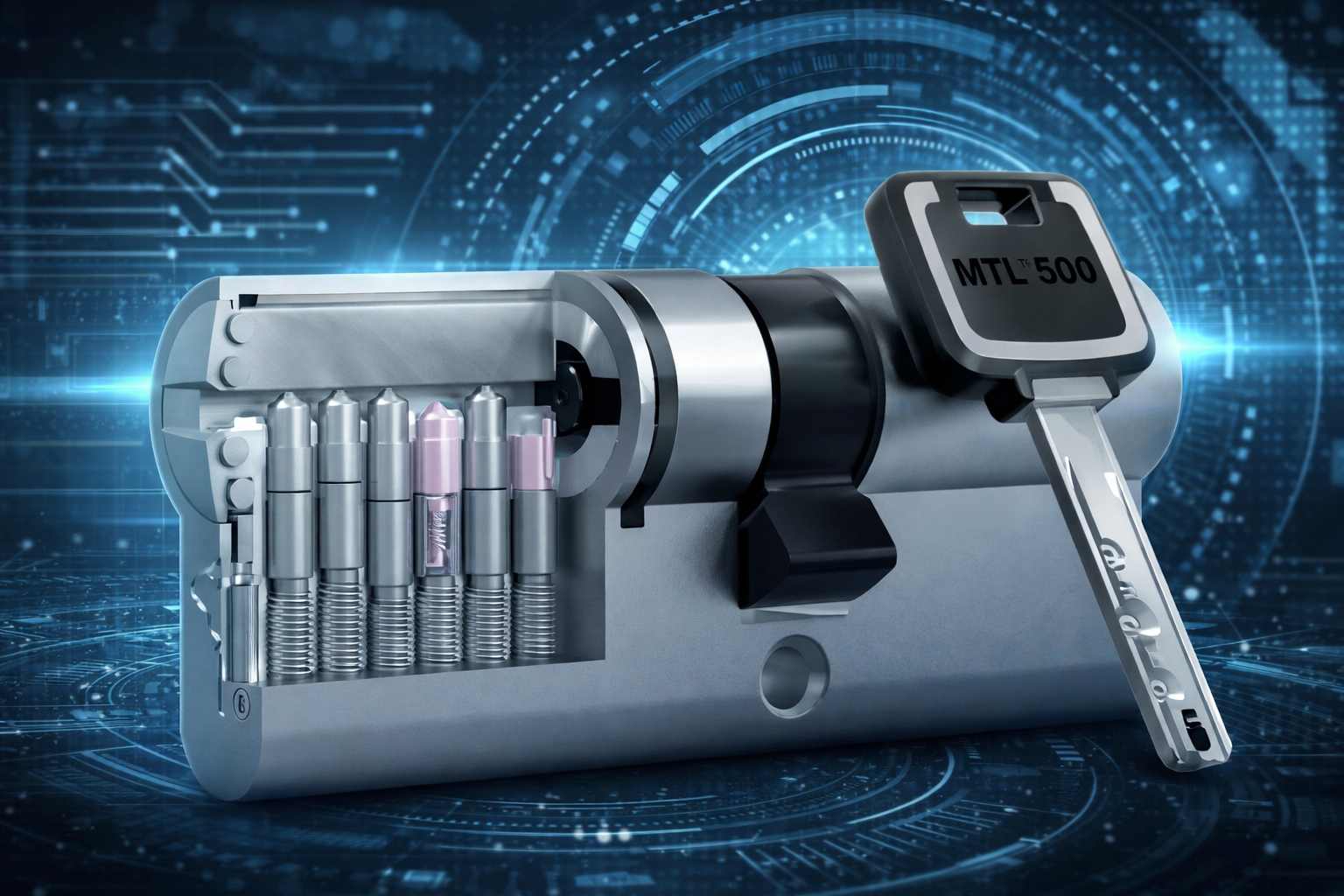
Medeco and Mul-T-Lock systems use patented keyways and specialized key blanks that cannot be legally duplicated without authorization.
Medeco's X4 system has patent protection through 2027. All keys are cut at the factory with signature verification. Key blanks aren't released outside the Medeco factory.
Mul-T-Lock offers similar utility patent protection with restricted keyway systems. You can't walk into a hardware store and get copies made.
This isn't about making duplication harder. It's about making unauthorized duplication impossible.
Implementation Without Downtime
The biggest hesitation I hear from property managers centers on downtime and disruption.
They worry about tenants being locked out during the transition. They stress about coordinating hundreds of key handoffs. They fear operational chaos.
Here's how you eliminate that concern.
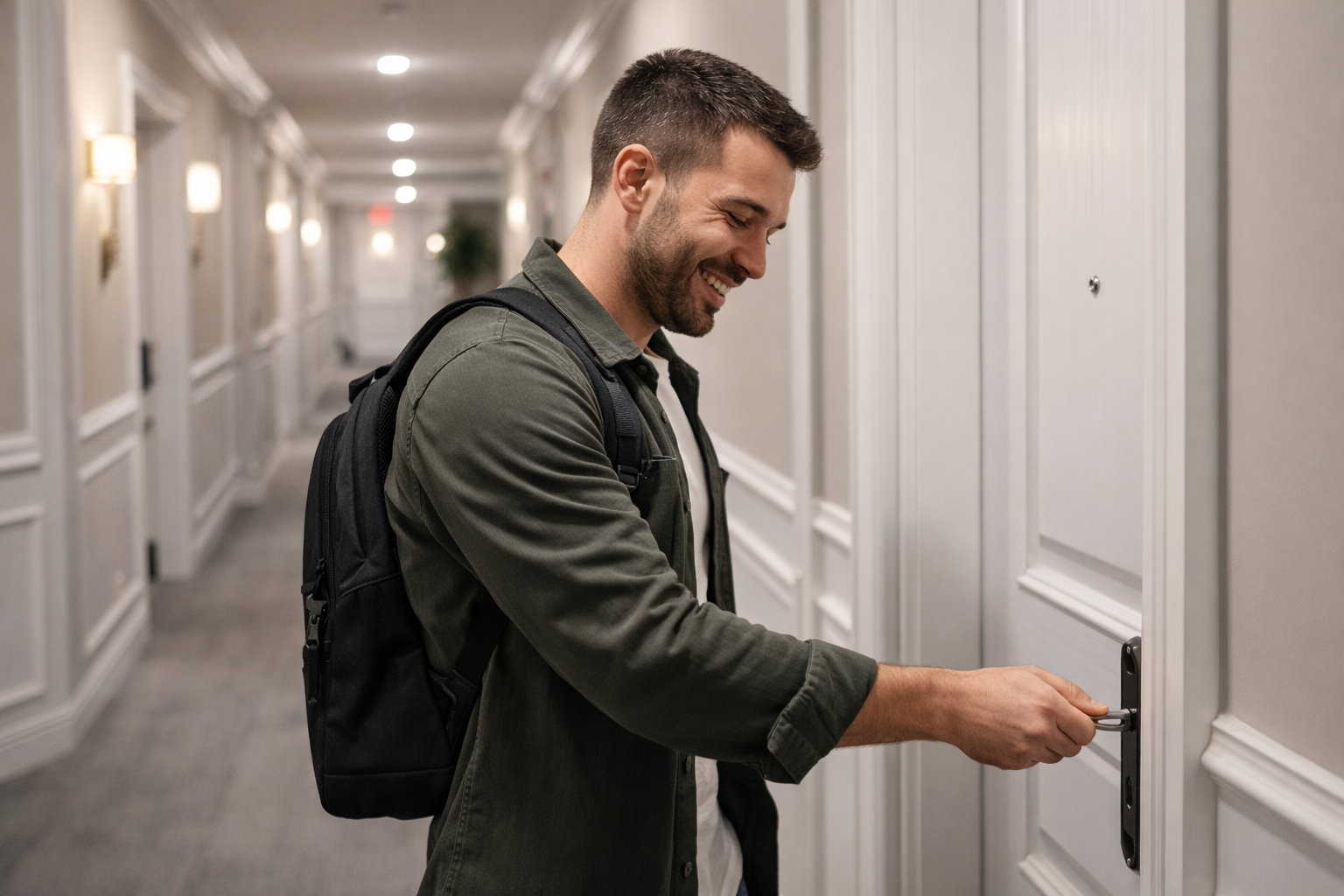
Pre-produce all keys before you touch a single lock.
Document who gets which key. Hand them out in advance. Then complete the actual lock changeover while tenants are away.
In multi-tenant buildings, residents leave in the morning with their old key. You complete the rekey during the day with management access. When they return, their old key doesn't work but their new key does.
The transition happens invisibly. Tenants barely notice.
Budget Flexibility Through Tiered Security Options
Not every commercial property needs the same level of security.
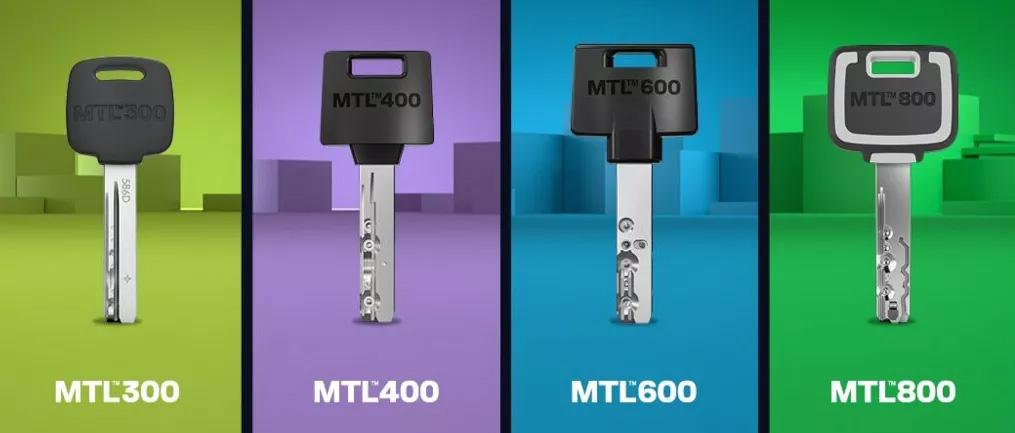
Data centers and high-risk facilities require top-tier restricted keyways with maximum security features. Standard office buildings can use mid-range options that still provide key control at lower cost.
I work with clients to match the security platform to their budget and risk profile. You're not locked into an all-or-nothing decision.
The goal is finding the right balance of security and cost for your specific situation. That flexibility makes restricted key systems accessible to a much broader range of commercial properties.
Mechanical Systems Remain Essential Even With Electronic Access
Electronic access control systems are designed with resiliency in mind, often including battery backup and fail-safe or fail-secure configurations to maintain operation during short-term power interruptions. However, no electronic system is entirely immune to extended outages, hardware failures, or component faults that require physical intervention.
This is where mechanical key override remains an essential part of a complete security strategy. Even in buildings with advanced electronic access control, physical keys are relied upon for emergency access, maintenance, and repairs. The mechanical layer cannot be eliminated—it exists to ensure continuity when electronic systems need service or recovery.
The critical consideration is how those override keys are managed. Without proper key control, unrestricted mechanical keys can be duplicated and used to bypass electronic safeguards entirely. When properly implemented, mechanical and electronic systems work together—each reinforcing the other’s strengths and mitigating potential weaknesses.
Work With Security Professionals Who Understand Buildings
One of the most important decisions in any key control program is choosing the right security professional to implement it. Work with providers who understand how commercial buildings operate, not just how to cut keys.
Ensure the system is fully documented and that the company has proven experience designing and keying commercial properties. Effective key control is not one-size-fits-all—there are multiple approaches, and experience determines which solutions perform reliably in real-world environments.
Proven methods exist because they consistently work across different building types, tenant needs, and operational constraints. Choosing an experienced professional helps ensure your system is designed correctly from the start and remains manageable over time.
This Is Operations Modernization, Not Security Theater
Commercial units are adopting restricted key systems because the operational benefits justify the investment.
Eliminated rekeying costs. Reduced liability exposure. Documented accountability.. Seamless implementation without tenant disruption.
These are measurable outcomes tied to business goals.
If you're still using traditional lock-and-key systems, you're operating with a stone-age stack while competitors install centralized access dashboards and eliminate recurring maintenance expenses.
The question isn't whether to modernize your key control. It's how quickly you can implement a system that pays for itself within 12 to 24 months while protecting your building, your tenants, and your bottom line.
Start with documentation. Audit your current key inventory. Identify who has access to what areas. Calculate your annual rekeying expenses.
Then work with a security professional to design a restricted key system that fits your budget, your building, and your operational requirements.
The ROI timeline is clear. The implementation path is proven. The only remaining question is when you'll stop bleeding money on a system that hasn't worked since the day you installed it.