

Posted by Lee Alderman on 15th Dec 2025
Why Calgary Homeowners Leave for Vacation But Forget to Lock Down What Matters
I've watched this pattern repeat itself every travel season in Calgary. Homeowners book their flights, pack their bags, and double-check their passports. Then they leave their homes sitting empty with security measures that haven't been updated since 2015.
The numbers tell a stark story. A home break-in happens every 90 seconds across Canada. Alberta ranks second-highest for burglary crimes in the country. During pandemic years when travel dropped, break-ins in Alberta declined by 26%—from 33,165 in 2019 to 24,435 in 2021.
The correlation is clear: vacant homes during travel season create opportunities
The Security Gap Most Calgary Homeowners Miss
When I talk to homeowners preparing for vacation, they focus on the obvious things. Lock the doors. Stop the mail. Set a light timer.
These steps matter. But they miss the fundamental shift in how security threats work today.
Increased mobility throughout Calgary has changed everything. Better public transit means potential intruders can reach neighborhoods they couldn't access easily before. The old assumption that "my area is safe" doesn't hold up anymore. Every Calgary neighborhood needs equal vigilance.
Here's what homeowners overlook: the signs that scream “nobody’s home.”
- Mail piling up in the box
- Newspapers on the driveway
- Walkways that don’t get cleared after snow
- A completely dark house night after night
These visual cues tell anyone watching that your home is unattended—and vulnerable.
What Actually Deters Break-Ins During Travel Season
Research from the Electronic Security Association found that 83% of burglars check for security systems before attempting a break-in. More importantly, 60% will avoid homes with visible security measures altogether.
The psychology is simple: burglars want easy targets. They're looking to get in and out quickly with minimal risk of being caught.
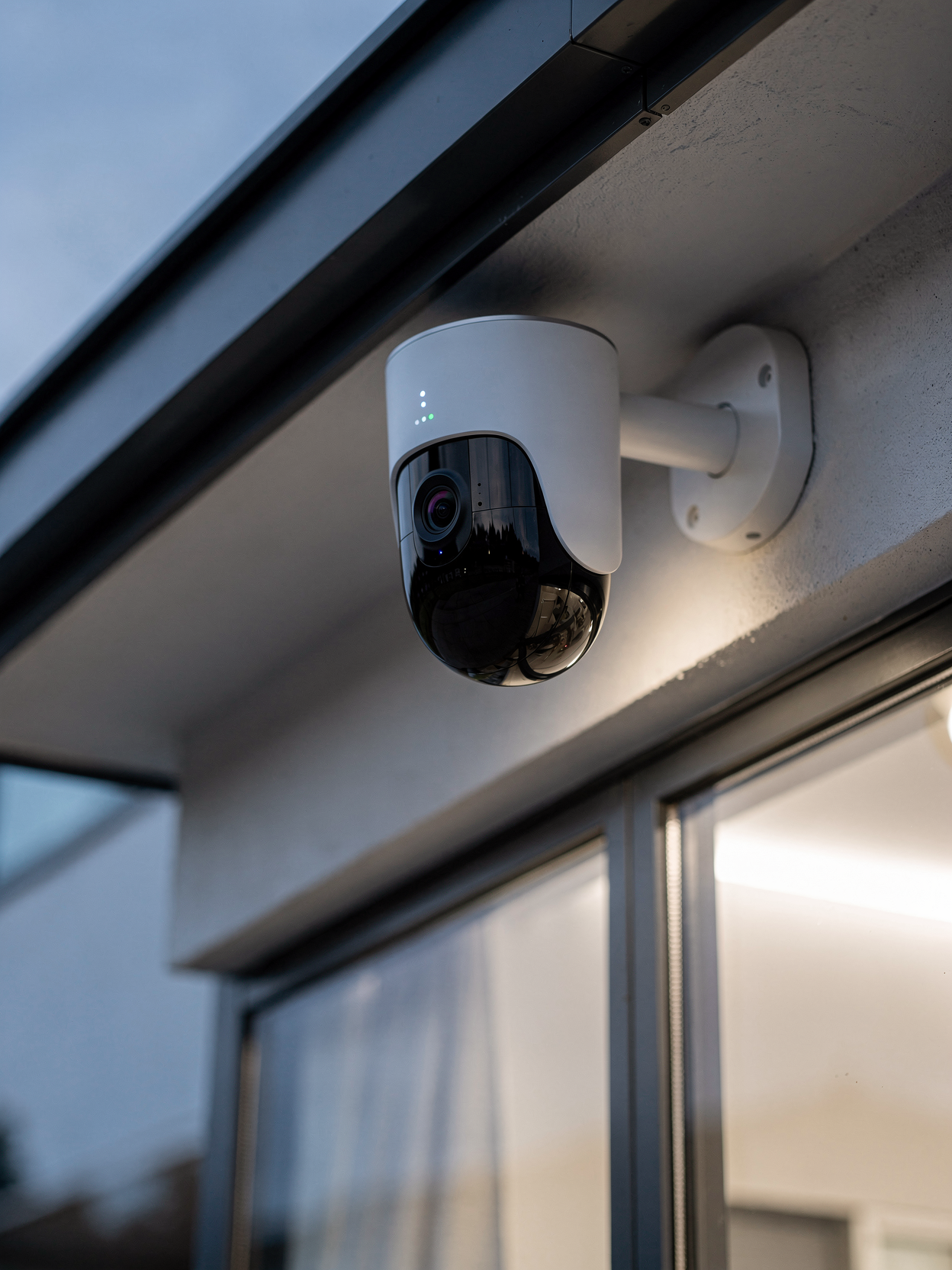
I've seen this play out with the AI-powered security cameras from Alarm.com that we've been installing for about a year now. These systems do something traditional cameras can't—they distinguish between a branch moving in the wind and an actual person approaching your property.
When the camera detects human motion, it responds with:
- Floodlights
- Flashing red and blue LEDs
- A verbal warning that describes what it sees
The AI identifies the person and announces details like clothing color through built-in speakers.
The effect is immediate. The person realizes they’re not just being recorded—they’re being actively identified and watched. Most leave immediately.
Studies show:
- Visible cameras deter 53% of burglars
- Security signs alone deter only 25%
A functioning system provides more than double the deterrent effect.
The Free Security Measures You Can Implement Today
Not every effective security measure requires expensive technology. Some of the most powerful deterrents cost nothing.
- Ask a neighbor to check your property regularly.
- Have them clear your driveway and walkways.
- Collect your mail.
- Maybe offer to return the favour when they leave for vacation.
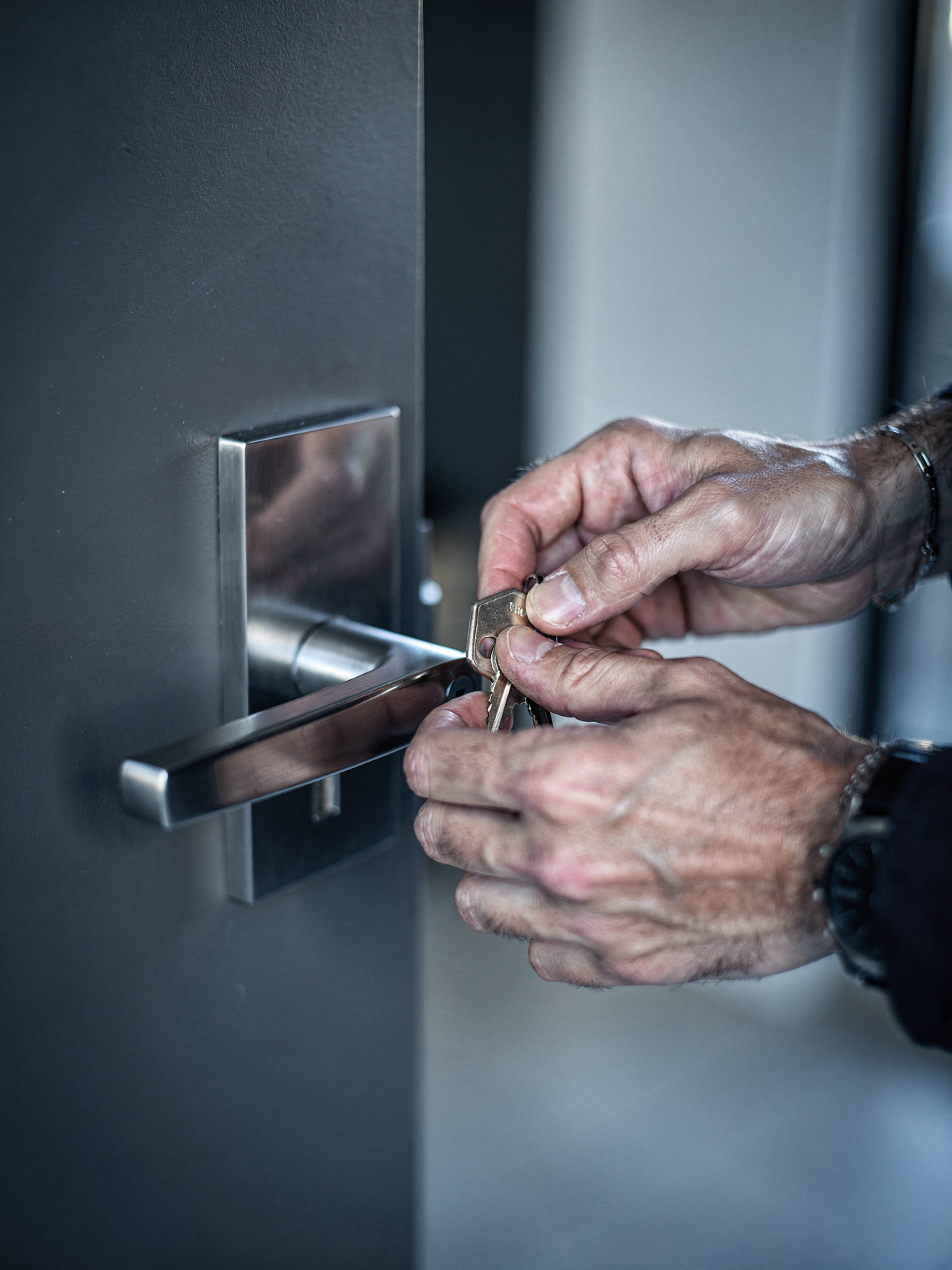
- Remove any spare keys from outside your property.
- Leave a car in the driveway.
- Suspend newspaper delivery.
These steps eliminate the visual indicators that attract opportunistic criminals during travel season.
Smart Technology That Creates a Lived-In Appearance
Beyond the basics, smart home technology has made it easier to simulate occupancy while you're away.
Smart lighting systems can turn lights on and off on varied schedules throughout different areas of your home. This creates a far more realistic lived-in appearance than old-style timers.
Modern security systems integrate multiple components that work together:
- Scheduled lighting in different rooms
- AI cameras that know the difference between routine activity and real threats
- Real-time notifications to your phone
- Two-way audio to respond remotely
The AI detection capability reduces false alarms by 90% compared to traditional sensors. Independent research confirmed 99.4% vehicle detection accuracy with only 1.77% false alarms.
Homeowners install one or two cameras, watch them work, and then immediately want to expand coverage. When you can actually see your system deterring intruders in real time, the value becomes obvious.
Building Your Proactive Security Framework
The most effective approach combines free community measures with strategic technology investment.
Start by talking to your neighbors. Nobody knows your property's vulnerabilities better than you do. Which areas have had issues?
- The backyard someone entered before
- The driveway where a vehicle was tampered with
- The porch where packages get stolen
Focus your security measures on specific problem areas, not a generic template.
Prioritize visible deterrents:
- Quality locks
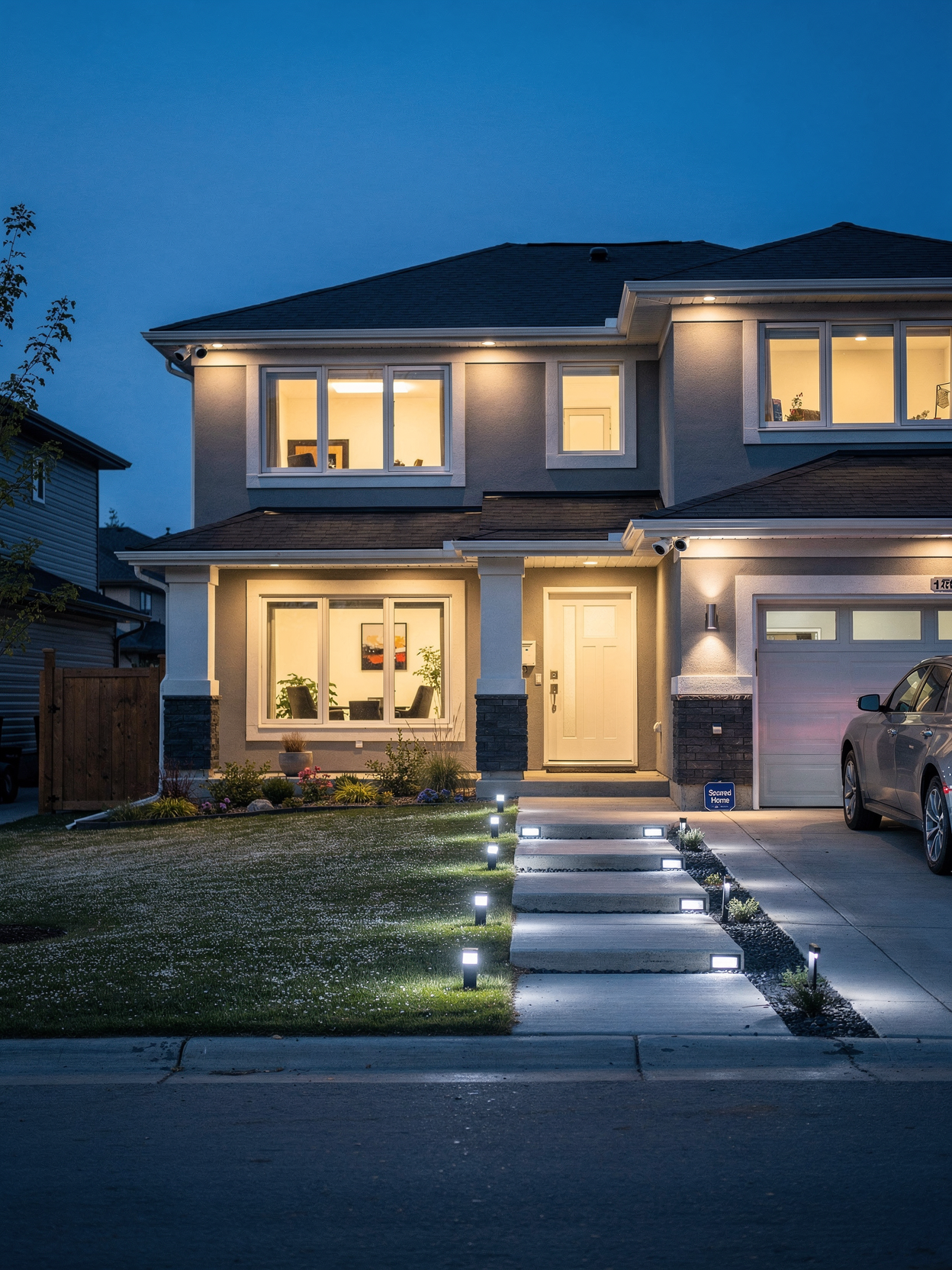
- Outdoor lighting
- Visible, active cameras
Former burglars consistently identify CCTV cameras, alarm systems, and outdoor lighting as the top three deterrents.
Before leaving, test your system:
- Verify lighting schedules
- Confirm camera notifications
- Ensure your neighbor has your contact information
The Post-Vacation Security Audit
When you return, take time to assess what worked.
- Review camera footage
- Check if lighting patterns appeared natural
- Ask your neighbor what they noticed
- Note any attempted approaches or suspicious activity
Use this to tighten your strategy. Security isn’t static—it’s an ongoing process of observation and refinement.
What This Means for Your Next Trip
Calgary's travel season creates predictable windows when homes sit empty. Between winter snowbirds heading south and summer vacations, millions of Canadian homes become prime targets.
But the difference between a secure home and a vulnerable one often comes down to visible deterrents and maintained appearances.
Burglars want the path of least resistance. When they see signs of an occupied, monitored home, they move on.
Start with the free measures: neighbor checks, spare key removal, parked vehicles, suspended deliveries.
Then add technology based on your home’s specific vulnerabilities.
The goal isn’t to create a fortress.
It’s to make your home a less attractive target than the one next door.
Ready to secure your Calgary home before your next trip?
Eliminate the signs of vacancy, add visible deterrents, and ensure someone is checking your property regularly. These three elements form the foundation of effective travel-season security.
Going on vacation? Don’t leave your home unprotected.
Call 310-LOCK for a licensed security check before you go.